

The two main processes for manufacturing stainless steel flanges: forging and investment casting
The two most common processes for manufacturing stainless steel flanges are investment casting and forging.
Investment Casting
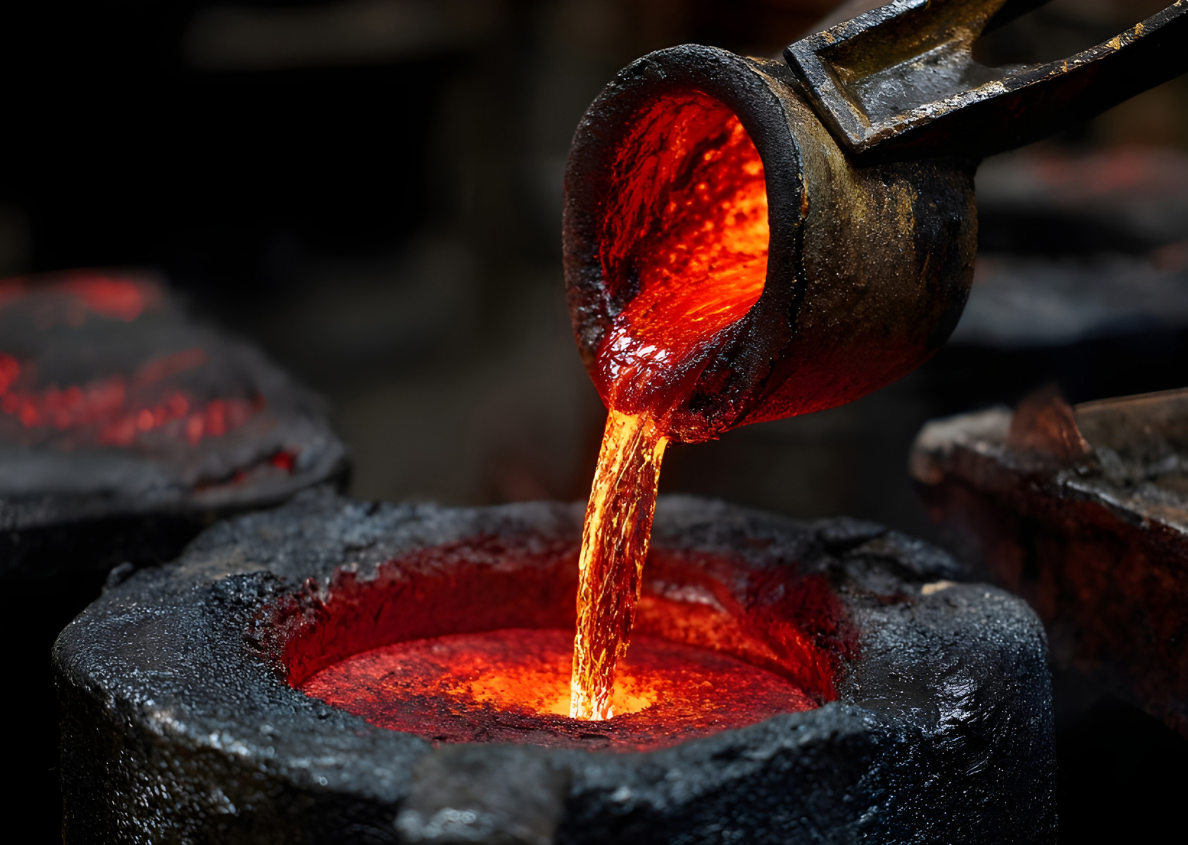
Investment casting involves pouring molten steel (carbon or stainless) into a mold made of a disposable material, typically wax.
One of the main advantages of this process is the ability to produce complex components, as the metal takes shape inside precisely defined molds.
These molds are created by injecting special compounds into a die, then coated and fired in a furnace. Once ready, they undergo the final stage of the process, where molten steel is poured inside.
The molds are connected in sequence, allowing the liquid metal to fill them completely and take the desired shape. After cooling and breaking the shell, a raw flange casting is obtained.
At this stage, the cast component must undergo several finishing processes, including:
- solution annealing (if proper recrystallization was not achieved during cooling)
- partial or full machining
- threading, if required
Forging
Forging is based on the plastic deformation of materials—in this case, stainless steel.
The material, typically in the form of cylindrical bars or ingots, is heated above its recrystallization temperature, making it suitable for processing through dedicated presses. The component is then shaped through hot forming.
Unlike casting processes, the material is never brought to a liquid state.
Forging produces raw parts that must later be machined to meet the dimensional requirements defined by standards.
Comparison Between the Two Processes
When comparing the two processes and their final products, forged flanges are generally considered superior.
Forging:
- Maintains a compact and homogeneous material structure
Investment casting:
- May generate internal inclusions (air pockets or voids)
- These defects can lead to cracks or leaks when the flange is subjected to pressure
- The porosity of the material makes machining less advisable, as cavities may be exposed, causing potential leakage
This difference between forged and cast flanges also affects cost:
investment-cast flanges are more economical, but are typically recommended only for applications not subject to high pressure.
Share this article
Related articles
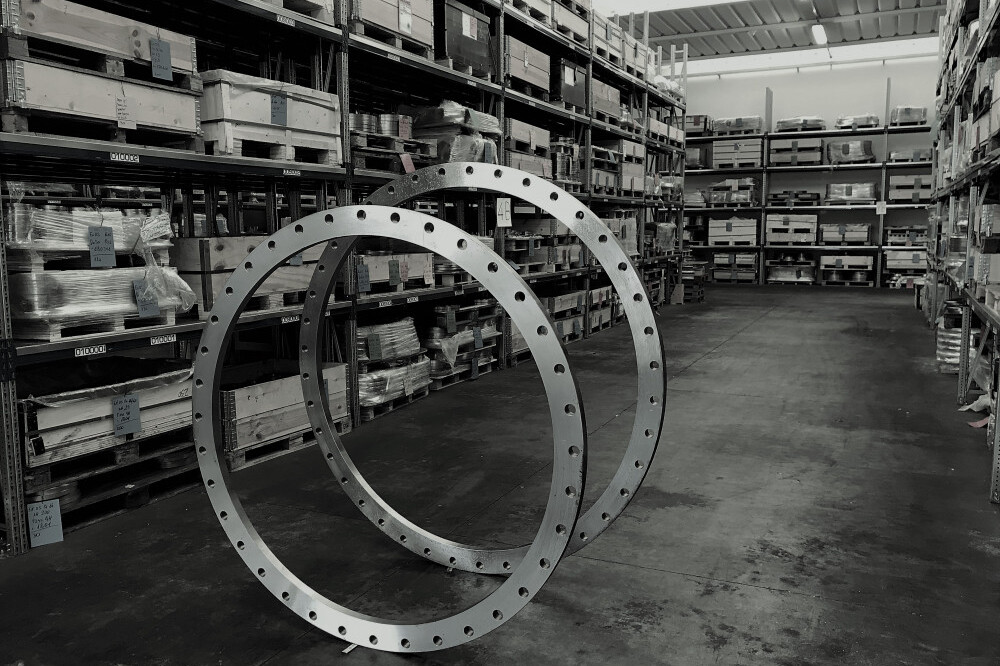
Large-Diameter Flanges: custom solutions for complex industrial applications
Zetamec is always ready to meet its customers’ needs, even in the most complex and challenging contexts. Thanks to a well-established network of…

PN10 Flanges: solutions for strong and reliable Connections
Solutions for Strong and Reliable Connections PN10 flanges are a solid choice for industrial applications where a strong and reliable connection…

PN16 Carbon Steel Flanges
Features of PN16 Carbon Steel FlangesPN16 carbon steel flanges are designed to ensure high performance in industrial applications. Key features…